Comparison
ARCANE vs BM, Strela, Steel: open range test
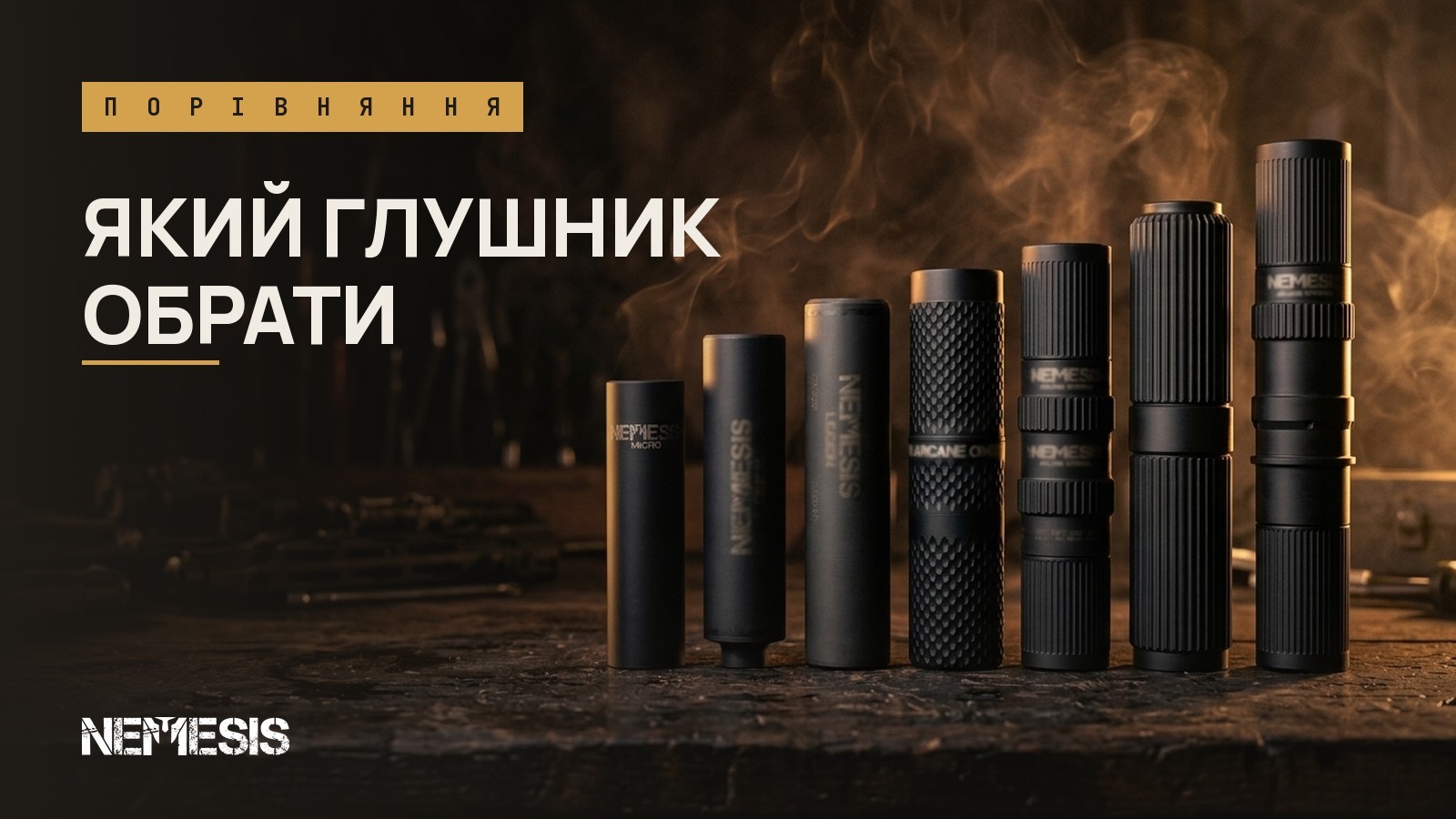
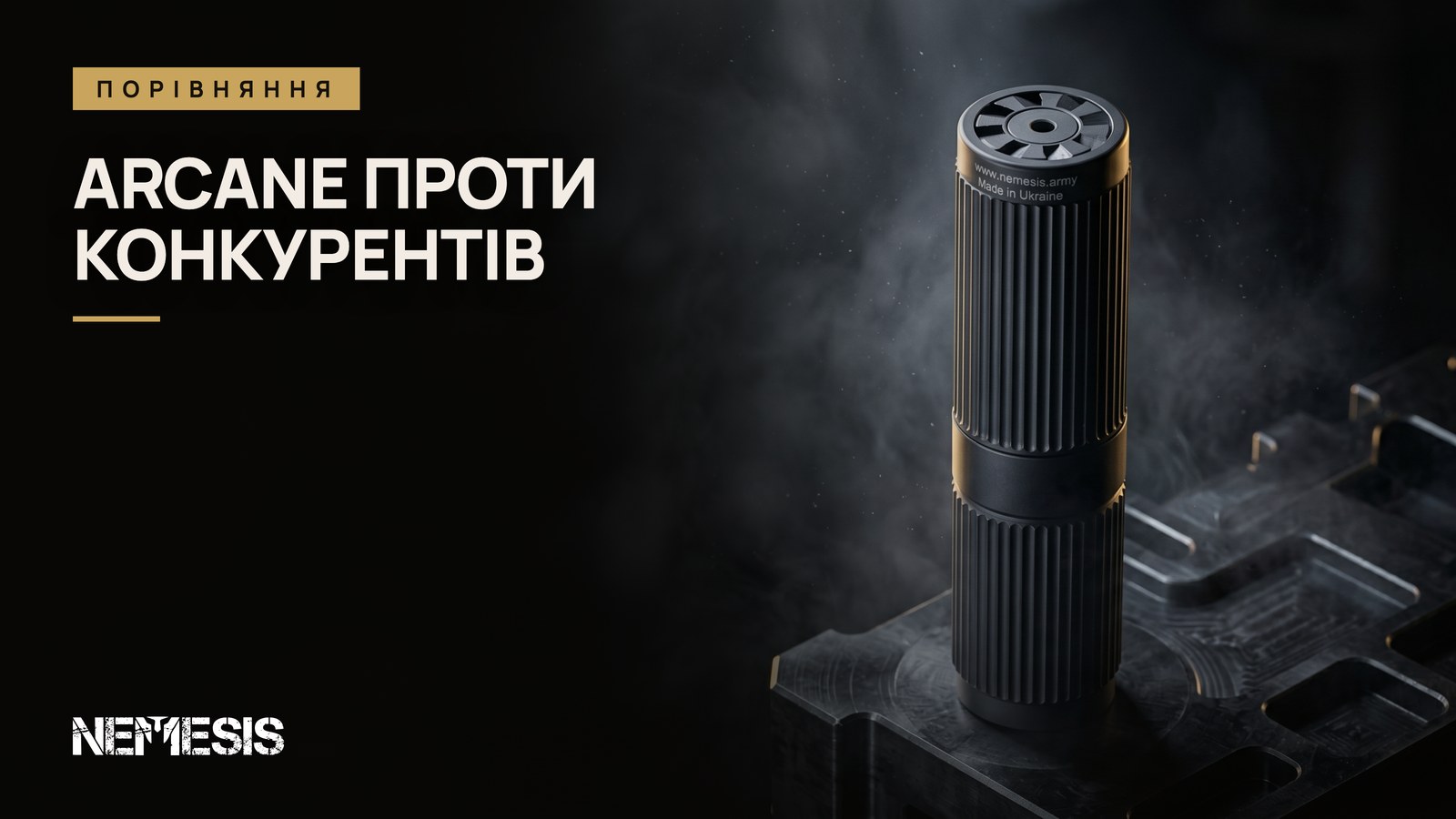
Open comparison on the range: ARCANE, BM10 ROTOR, Steel IMMORTAL AIR, Strela GEN III. One shooter, one rifle, one position. Sound, flash, cycling behavior, construction - as it is.
Contents
How do you choose a suppressor from dozens of similar options? We took four products - ARCANE, BM10 ROTOR, Steel IMMORTAL AIR, Strela GEN III - and ran a full live-fire test on the range. Not a promotional review. 40 minutes of video where you can hear every shot, see every flash, and watch the cycling of the action.
Methodology
One shooter, one rifle, one position on open ground. Sound - by ear from a fixed point, with no claim to a lab protocol. The way the shooter hears it through their ears. We filmed the brass ejection and the cleanliness of the chamber after each firing session separately.
What we evaluated
A suppressor is not just a "tube on the barrel". What actually matters:
- Gas mitigation. Whether gas blows back into the receiver or is redirected forward. On a semi-auto, you feel this within the first magazine.
- Sound character. Muffled or sharp. The shape of the impulse front over time. Not "minus decibels", but how it actually sounds to the ear.
- Materials and heat transfer. What handles the peak thermal shock in the first chambers, how the body dissipates heat.
- Construction. Modular or monolithic. Can it be serviced in the field.
- Internal geometry. Where the gas flow enters, how it expands, how it exits. This is exactly what shapes both sound and weapon behavior.
Range video
This is not staged. Shots at real tempo, sound from a fixed point, weapon behavior without editing.
Comparison table
| Criterion | NEMESIS ARCANE | NEMESIS CORE | BM10 ROTOR | Steel IMMORTAL AIR | Strela GEN III |
|---|---|---|---|---|---|
| Sound character | Muffled, no ring | Muffled | Sharp/ringing | Sharp/ringing | Sharp/ringing |
| Gas mitigation | ZERO (5 stages / 8 channels) | Dual-circuit | None | Partial | None |
| Flash suppression | Almost complete | Complete | Model-dependent | Near-complete | Partial |
| Cycling stability | Consistent, no spike | Stable | Possible delays | Stable | Possible delays |
| Construction | Modular, disassemblable | Monolithic | Monolithic | Monolithic | Monolithic |
| Materials | Titanium + 7075-T6 | Steel + phosphating | Stainless steel | Stainless steel | Stainless steel |
| Weight | 450-550 g | 468 g | ~440 g | ~540 g | ~640 g |
| Price | 24,900 UAH | 4,900-5,900 UAH | 7,450 UAH | 11,500 UAH | 8,500 UAH |
Conclusion - without putting down the competition
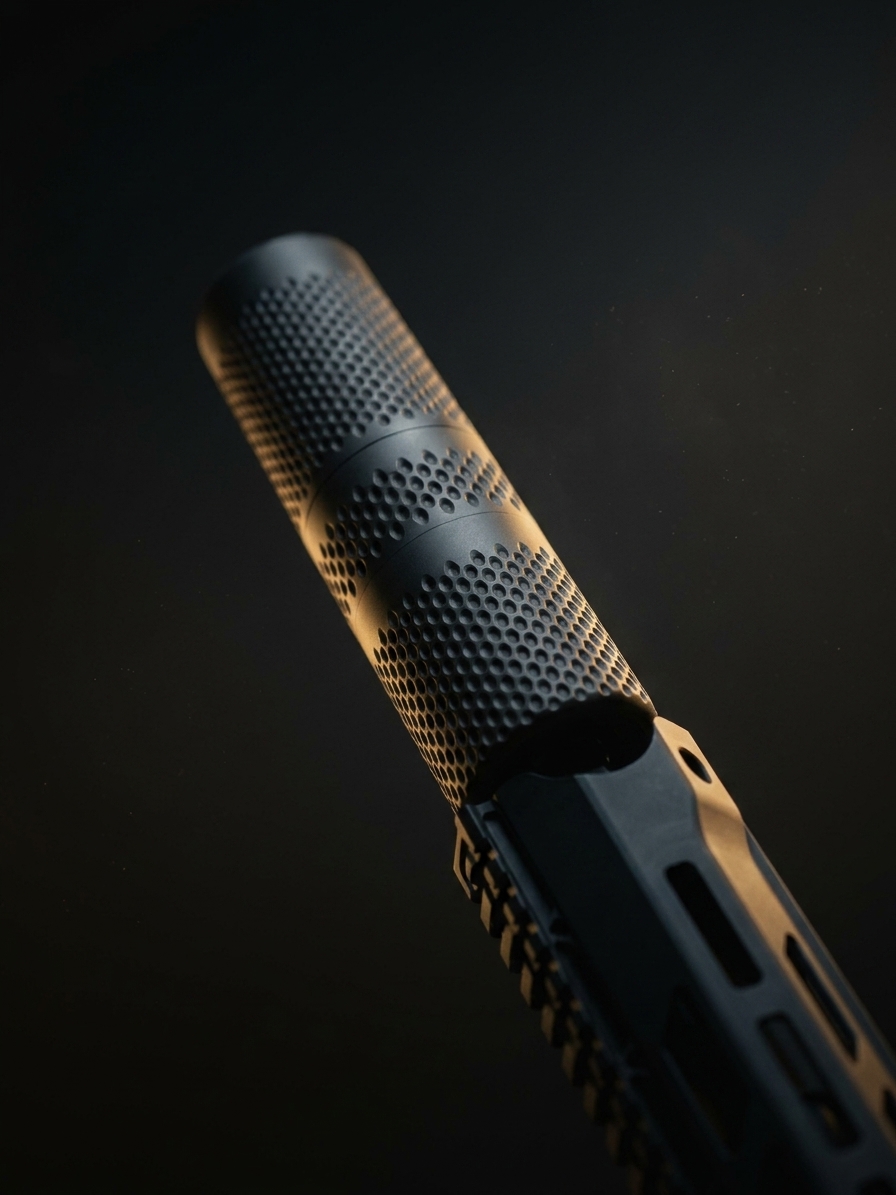
The difference between the products is significant, but not in a "they're bad, we're good" sense. Most solutions on the market work through volume and gas retention. ARCANE works through gas dynamics: where the flow goes, how it cools, what happens to the bolt group after a string of fire. It is the only one in the test that fully disassembles and can be serviced in the field. Flash is almost completely suppressed. On a semi-auto, the cycle is consistent.
Why ARCANE costs more is a separate question. Short answer: titanium, aerospace-grade 7075-T6, ZERO as an architecture, local manufacturing with a lifetime warranty. To understand the price, compare it to American flow-through systems (Huxwrx Flow, SureFire RC3) - ARCANE is 3-4 times cheaper because we run a full production cycle in Ukraine with no import margin.
Want to know if ARCANE fits your use case? Write to us - we'll advise.
View Nemesis ARCANE ->
View Nemesis ARCANE ->